
Foundation Drains
Foundation Drains
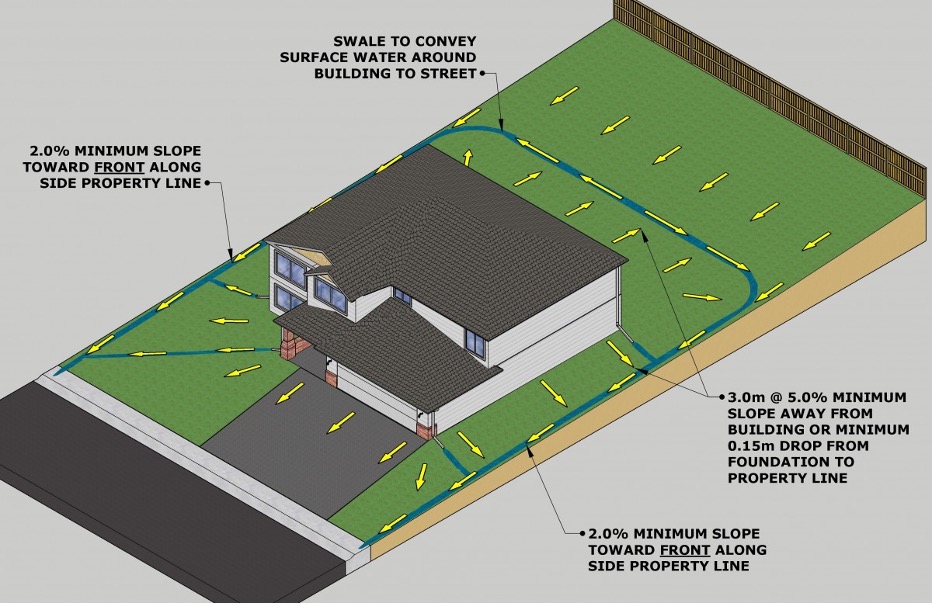
Foundation drains are a critical component in protecting the structural integrity of buildings by preventing water from pooling around and infiltrating the foundation. This comprehensive guide delves into the intricacies of foundation drains, covering their design, function, installation considerations, and maintenance practices.
Design and Function
Core Purpose: The primary function of foundation drains is to divert water away from the foundation of a building. This is crucial for preventing moisture-related issues, such as hydrostatic pressure that can lead to basement leaks, mold growth, and even structural damage.
Components:
Perforated Pipes
-
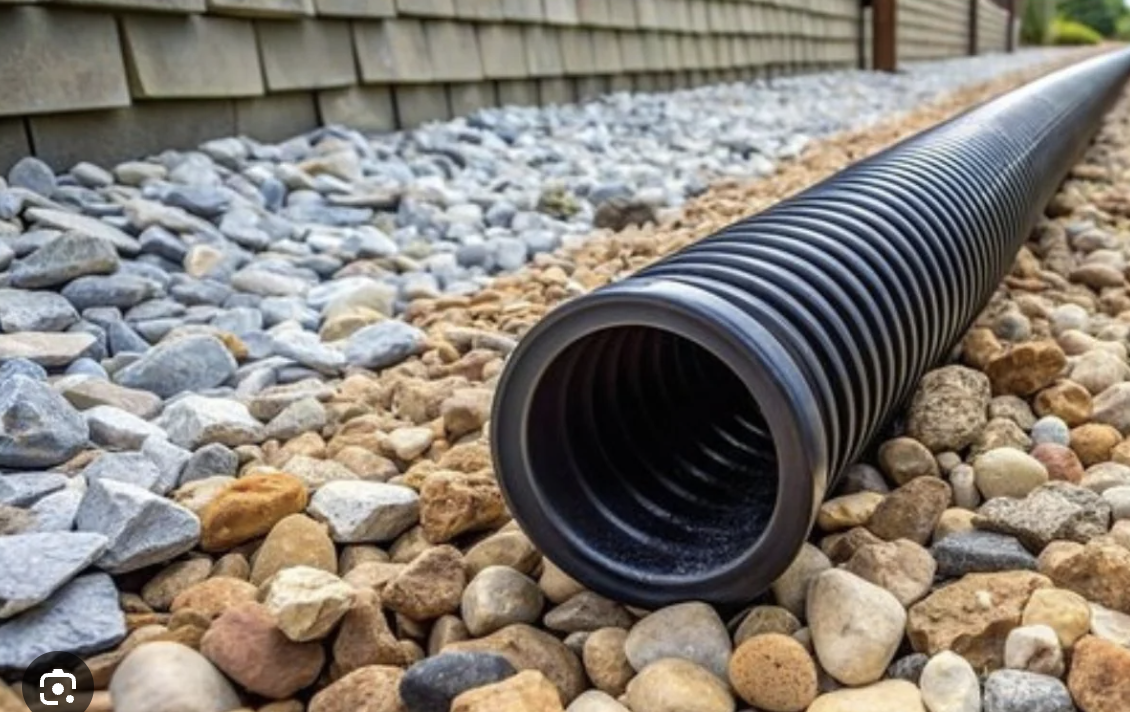
Function: Perforated pipes are the conduit through which water is collected and redirected away from the foundation. The perforations or holes in the pipes allow water to enter from the surrounding soil, preventing it from accumulating near the foundation walls.
Materials: These pipes are typically made from durable materials such as PVC or high-density polyethylene (HDPE) due to their resistance to corrosion, chemical degradation, and physical wear. The choice of material can impact the longevity and performance of the drainage system.
Design Considerations: The diameter of the pipes, the size and pattern of the perforations, and the slope at which they are installed are critical design considerations. A sufficient slope ensures that water flows freely through the pipes, preventing stagnation and reducing the risk of freezing in colder climates.
-
Gravel
Function: Gravel serves multiple purposes in a foundation drain system. It acts as a filter, preventing large debris and soil particles from entering the pipes, and as a conduit, facilitating the easy flow of water to the perforated pipes.
Specifications: The size and type of gravel used can significantly affect the system’s efficiency. Generally, washed gravel with a size of ½ inch to 1 inch is recommended for most foundation drainage systems. This size range provides the optimal balance between water flow and filtration capabilities.
Placement: Proper placement of gravel around and above the perforated pipes is crucial. A layer of gravel should be placed beneath the pipes to ensure proper drainage from the bottom and sides, with additional gravel layered above to a recommended depth, often several inches above the pipe to maximize filtration and water flow.
-
Filter Fabric
Function: Filter fabric, also known as geotextile, is wrapped around the gravel to prevent the infiltration of fine soil particles and sediments that could clog the system. It acts as a secondary filter, enhancing the longevity and effectiveness of the drainage system.
Materials: These fabrics are made from synthetic materials, designed to allow water to pass through while trapping sediment. The permeability and durability of the fabric are key factors in its performance.
Installation: Correct installation of the filter fabric is essential to prevent gaps or tears that could allow sediment through. It is typically wrapped around the entire gravel layer, sometimes extending into the trench walls, to provide comprehensive protection against sediment infiltration.

-
Design Variations: Depending on the specific requirements of a building site, foundation drains can be designed in various configurations, including interior and exterior setups. The choice between these options depends on factors such as climate, soil type, and construction practices.
Installation Considerations
Site Assessment: Before installation, a thorough assessment of the site is essential. This includes evaluating the soil type, groundwater levels, and overall terrain to determine the optimal drainage solution.
Slope and Grading: Proper slope and grading are critical to ensure water flows away from the foundation. The drain should have a consistent slope to facilitate water movement towards the discharge point.
Discharge Points: The system must have an effective discharge point, such as a sump pump system, municipal storm drain, or a drywell, to ensure the collected water is redirected away from the property.
Maintenance Practices
Regular Inspections: Conducting regular inspections, especially after heavy rains or snowmelt, can help identify potential issues before they escalate. Look for signs of saturation near the foundation as an indicator of potential problems.
Cleaning and Clearing: Ensure that the area around the discharge points and along the drain line is clear of debris and vegetation that could impede water flow.
Filter Fabric Check: Periodically check the condition of the filter fabric to ensure it has not been compromised. Tears or extensive clogging may necessitate replacement or cleaning.
Troubleshooting and Repair
Clogs: Clogs are a common issue with foundation drains, often resulting from sediment buildup. Flushing the system with water or using a plumber’s snake can clear blockages.
Breaks or Collapses: Over time, sections of the pipe may break or collapse, requiring excavation and replacement. Early detection through inspections can minimize the extent of the damage.
Upgrades: In some cases, older systems may require upgrades to improve efficiency. This could include installing a new sump pump, adding additional discharge points, or retrofitting the system with modern materials.
Environmental and Legal Considerations
Water Management: Foundation drains contribute to effective water management on a property, reducing soil erosion and mitigating the risk of water damage to structures.
Building Codes and Regulations: Compliance with local building codes and regulations is crucial when installing or modifying foundation drains. Requirements can vary significantly by location, so consultation with local authorities is essential.
Sustainability Practices: Incorporating sustainable practices, such as directing water to a rain garden or other green infrastructure, can enhance the environmental benefits of foundation drains.