
Jerkinhead Roof (Dutch Hip)
Jerkinhead Roof (Dutch Hip)
-
Jerkinhead Roof (Dutch Hip)
-
Identification:
-
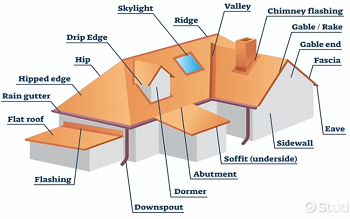
Clipped Gable Ends: The most prominent feature of a Jerkinhead Roof is its clipped or truncated gable ends. Instead of forming full triangular gables, the ends are clipped, creating a hipped appearance.
-
Sloping and Clipping: This roof style typically features sloped roof sections that meet at a clipped point. The clipped portion resembles a hipped roof, while the sloped sections are reminiscent of a gable roof.
Why It’s Built That Way:
-
Wind Resistance: The clipped gable ends of a Jerkinhead Roof provide better resistance to strong winds compared to a traditional gable roof. This design reduces the risk of the roof being lifted off in high winds.
-
Aesthetic Appeal: Jerkinhead Roofs are often chosen for their unique and visually appealing design. They offer a blend of both gable and hip roof characteristics, making them stand out architecturally.
Why It’s Used There:
-
Residential Homes: Jerkinhead Roofs are commonly found in residential architecture, particularly in areas prone to hurricanes or strong winds. The wind-resistant design is advantageous in such regions.
-
Historical Buildings: Some historical or traditional buildings feature Jerkinhead Roofs as part of their architectural heritage.
Advantages:
-
Wind Resistance: The clipped gable ends enhance the roof’s ability to withstand high winds, making it suitable for properties in hurricane-prone areas.
-
Architectural Uniqueness: Jerkinhead Roofs offer a unique and eye-catching architectural style that can add character to a property.
-
Stability: The design provides additional stability and structural integrity to the roof.
Drawbacks:
-
Complex Construction: Building a Jerkinhead Roof can be more complex and may require specialized construction techniques and materials.
-
Reduced Attic Space: The clipped ends may reduce the usable space in the attic or upper floor of the house.
-
Maintenance: Like any roof, regular maintenance is essential to ensure its long-term durability and weather resistance.
-
-