
Ventilation
Importance of Roof Ventilation
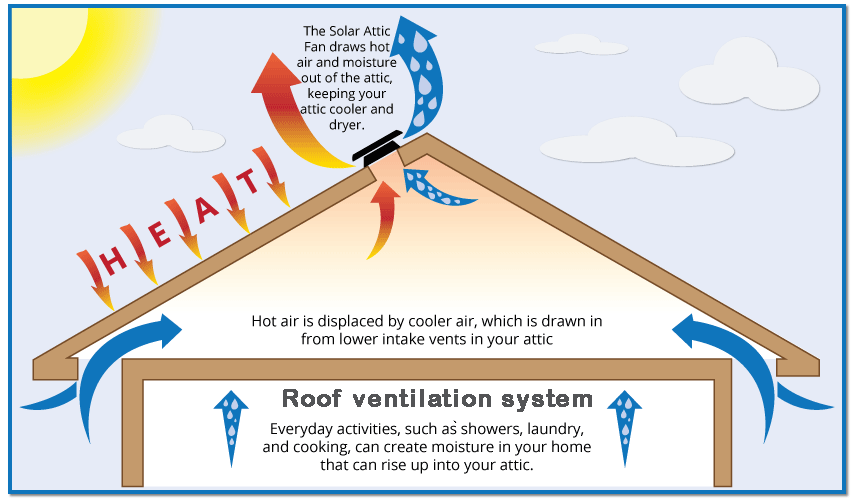
Temperature Regulation: Roof ventilation helps regulate the temperature in the attic or roof space. During hot weather, without proper ventilation, the attic can become extremely hot, leading to several issues. Excessive heat can damage roofing materials, increase cooling costs for the home, and even affect the structural integrity of the roof. Ventilation allows hot air to escape, keeping the attic temperature within a safe range.
-
Moisture Control: Moisture is a significant adversary for roofing systems. In colder weather, warm indoor air can rise into the attic and condense on the underside of the roof, leading to moisture buildup. Without adequate ventilation, this moisture can promote mold growth, rot wooden components, and compromise insulation. Ventilation helps expel excess moisture, preventing these problems.
-
Preventing Ice Dams: In regions with cold winters, ice dams can form on the roof’s edge when snow melts and refreezes. Proper ventilation helps maintain consistent roof temperatures, preventing the formation of ice dams. Ice dams can damage shingles, gutters, and even the roof structure.
-
Prolonging Roof Lifespan: A well-ventilated roof is likely to last longer. Excessive heat and moisture can accelerate the aging of roofing materials, leading to premature deterioration. Proper ventilation helps extend the lifespan of the roof, saving homeowners money in the long run.
-
Energy Efficiency: Roof ventilation can contribute to energy efficiency. During hot summers, a well-ventilated attic reduces the need for air conditioning, leading to lower energy bills. In colder climates, ventilation helps maintain a consistent temperature in the attic, reducing the risk of ice dams and energy loss through the roof.